Introduction
Picture this. You are scrolling through property listings late at night, trying to make sense of different prices, communities, and rules.

The Dubai real estate market looks exciting, but it also feels overwhelming. Where do you even start?
You are not alone. Thousands of buyers and investors ask the same question every year. And in 2026, the market has become even more interesting.
Dubai property prices are forecast to rise by 10% this year, with offices leading the way at 15% growth. That is a big deal for anyone looking at options in Dubai. But here is the thing. Not all properties perform the same way. Some areas are growing fast. Others are staying flat. Success depends on knowing where to look and who to trust.
The good news? You do not need to figure this out by yourself.
This guide walks you through everything you need to know about finding the best property in Dubai in 2026. We cover pricing trends, legal steps, and how to choose the right help along the way. Whether you want a home for your family or a commercial space for your business, the right information makes all the difference.
According to the Engel & Völkers Dubai Housing Market forecast, the residential market is expected to continue growing at a steady pace supported by population growth and strong end-user demand. That means opportunities are still there for buyers who act smart.
If you are wondering how to buy a property in Dubai without getting lost in confusing rules and endless listings, this article is for you. We break down the process into clear, simple steps. No fluff. No guessing.
And if you are ready to skip the research and talk to someone directly, you can always connect with an expert through a FREE Dubai Real Estate Consultation. Sometimes a quick conversation saves weeks of confusion.
Let us get started.
Navigating Dubai’s Legal Framework for Property Purchases
Once you understand the market trends, the next step is knowing the legal side of buying property in Dubai. The good news is that the rules are clear, and they protect both local and international buyers. You just need to follow the process step by step.
Foreign ownership is allowed in freehold areas. Since 2002, Dubai has allowed non-UAE nationals to fully own property in designated freehold zones. These include popular areas like Downtown Dubai, Dubai Marina, Palm Jumeirah, and Business Bay. You do not need a UAE residency visa to buy. A valid passport is enough to get started. You can buy, sell, or lease your property just like any local owner.
The Dubai Land Department (DLD) and the Real Estate Regulatory Authority (RERA) oversee every transaction. Their job is to make sure the process is fair and transparent. All property sales must be registered with the DLD. For off-plan purchases, the Oqood system records your ownership before construction finishes. This protects your investment from the moment you sign.
**Essential steps before you close the deal.
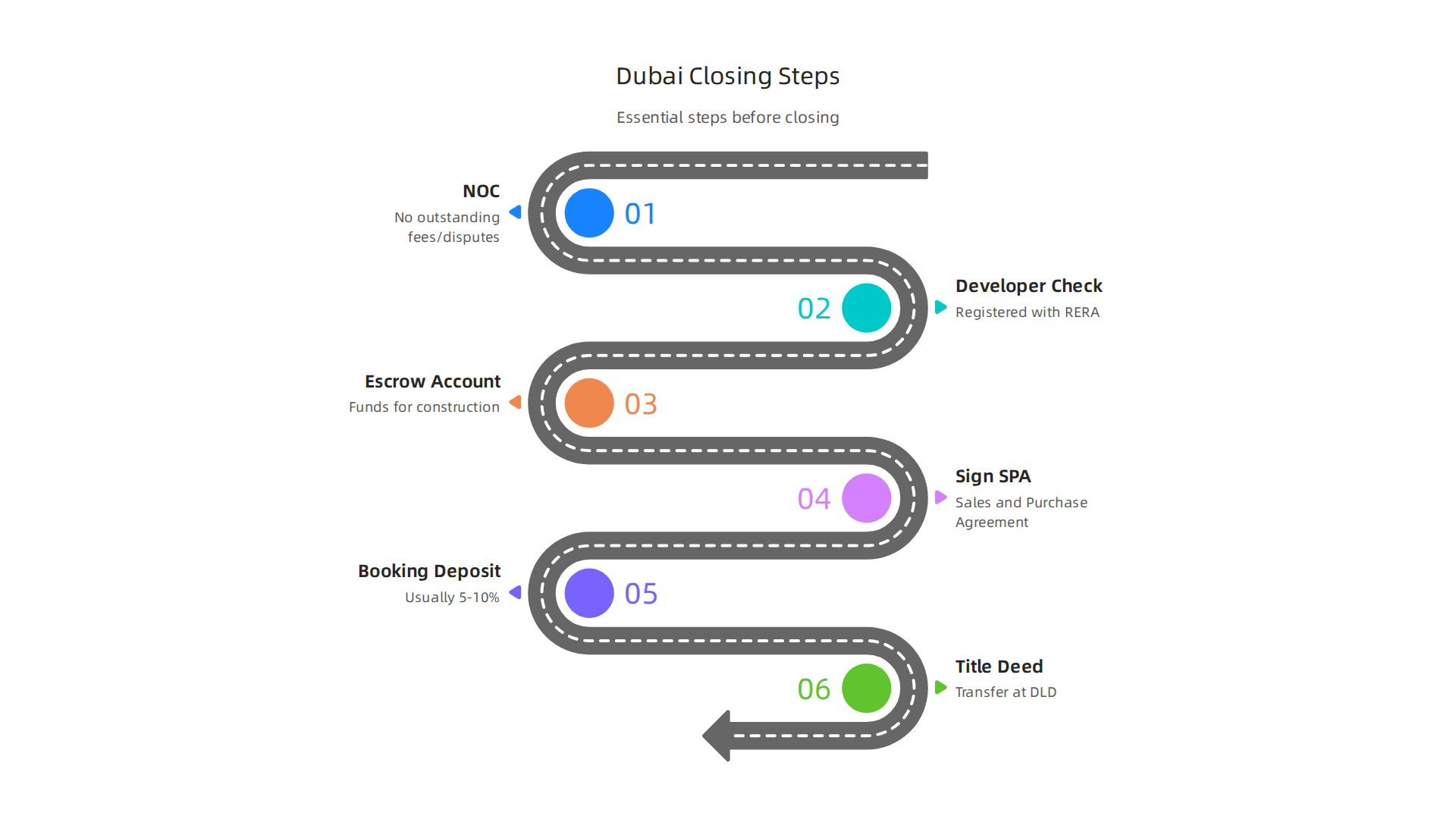
** If you are buying a resale property, you will need a No Objection Certificate (NOC) from the developer. This confirms there are no outstanding fees or disputes. For off-plan projects, always verify the developer is registered with RERA. Your payments should go into an escrow account, which is a safety net that ensures funds are used only for construction.
The actual purchase process involves signing a Sales and Purchase Agreement (SPA), paying a booking deposit (usually 5–10%), and then transferring the title deed at the DLD. The DLD charges a transfer fee of 4% of the property value, plus a small admin fee. Once everything is submitted, the title deed is issued instantly for ready properties.
If you want a deeper walkthrough of the entire process, check out this detailed guide for foreign buyers buying property in Dubai. It covers paperwork, costs, and timelines in plain language.
For a complete look at the official rules, the Dubai Land Department regulations explain everything from registration to dispute resolution.
Understanding the legal framework might feel intimidating at first, but it is actually straightforward once you break it down.

Every step is designed to keep your money safe and your ownership rights clear.
2026 Dubai Property Market Trends and Pricing Insights
Now that you understand the legal side, let’s look at what is happening with prices in 2026. The Dubai property market has changed a lot over the last few years. If you are searching for dubai for sale properties, knowing the current trends will help you make a smart choice.
**Prices are still going up, but at a slower pace.
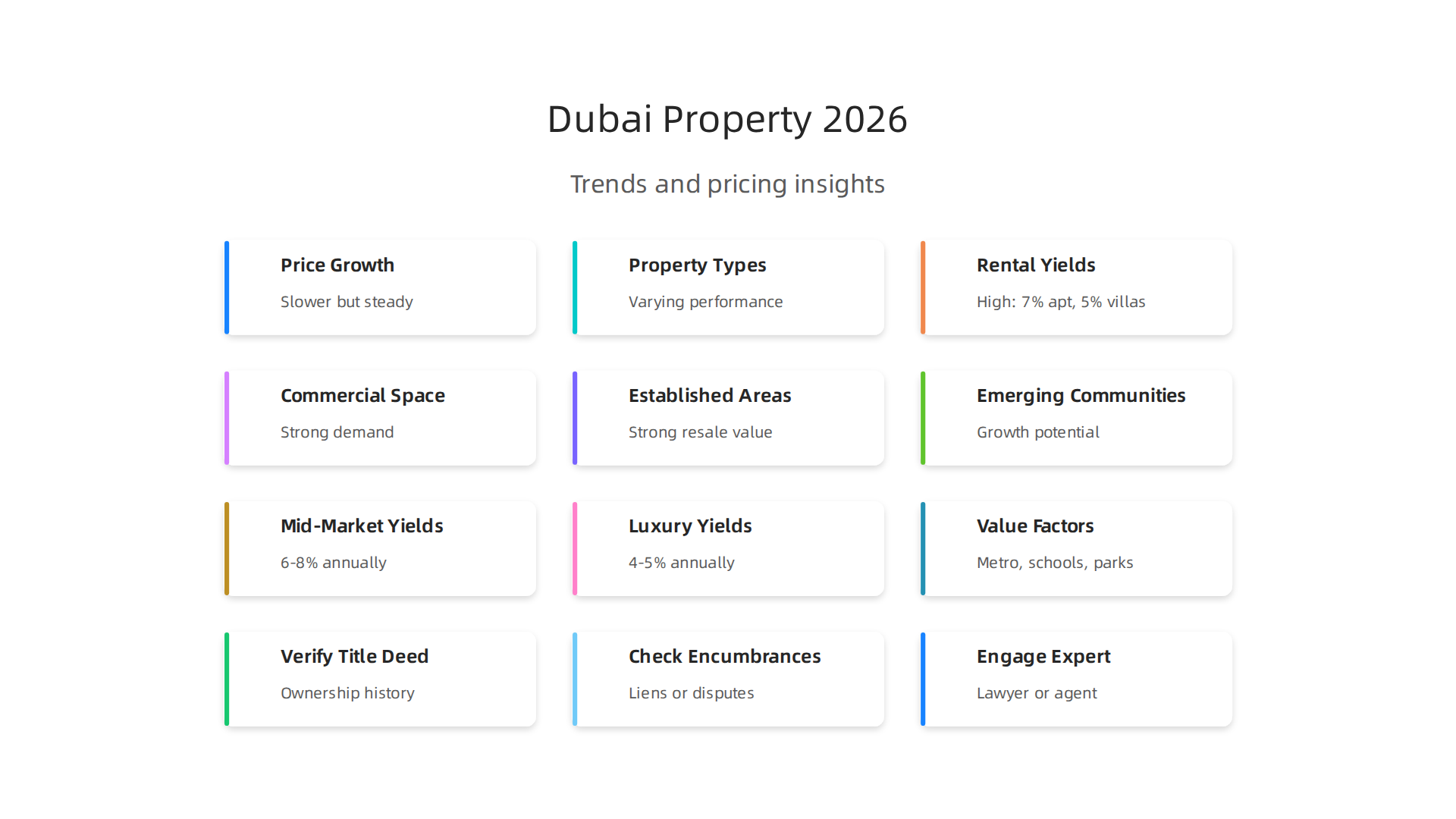
** After a few years of very fast growth, the market is calming down. According to the Dubai Housing Market 2026: Prices, Trends, Supply & What to Expect report, villa prices have risen by 206% since the pandemic. That is a huge jump. But heading into 2026, the growth is more steady. Prices are still about 15% higher than last year. This is not a crash. It is a normal slowdown after a strong run.
Different properties are doing different things. Not every type of home is growing at the same speed. Villas in low-density communities like Dubai Hills Estate and Arabian Ranches are still in high demand. People want space and a community feel. Apartments in places like Jumeirah Village Circle (JVC) and Dubai Silicon Oasis are also popular because they are more affordable. Luxury homes on Palm Jumeirah continue to attract global buyers.
What does this mean for you? If you are looking for the best property in dubai, you need to think about what fits your lifestyle and budget.

A villa might give you more long-term value. A well-located apartment can offer strong rental income.
Rental yields are still high compared to other cities. One of the best reasons to buy in Dubai is the rental return. Investors see average yields of around 7% for apartments and about 5% for villas. That is much better than what you get in London or New York. For 2026, the Will Dubai Property Prices Rise or Fall in 2026? Market Forecast report expects overall price growth of 5% to 8%. That is a healthy, sustainable increase.
If you are thinking about real estate commercial for sale, the market is also strong. Commercial spaces in business districts like Dubai International Financial Centre (DIFC) and Business Bay see steady demand from companies expanding in the region.
The key takeaway is simple. Dubai’s property market in 2026 is balanced. It is not overheating, but it is not dropping either. Prices are rising modestly, and demand from buyers and renters remains solid. Whether you want a family home, an investment apartment, or a commercial space, now is a good time to look.
For a complete overview of available options, check out this dubai real estate for sale 2026 guide. It breaks down listings by type and area.
And if you want personalized advice on current pricing and the best neighborhoods for your needs, take advantage of this FREE Dubai Real Estate Consultation. A local expert can help you compare properties and find the right deal without the guesswork.
Best Areas and Communities for Property Investment in Dubai
Knowing the overall market is one thing. Picking the right neighborhood is another. The best area for you depends on your goals.
Do you want strong rental income each year? Or are you hoping for long-term price growth? Some communities deliver one better than the other.
Freehold areas where foreigners can buy are spread across Dubai. The most established ones include Dubai Marina, Downtown Dubai, and Palm Jumeirah. These places have mature infrastructure, high demand, and strong resale value. Dubai Marina offers a lively waterfront lifestyle with apartments that rent quickly. Downtown Dubai puts you near the Burj Khalifa and Dubai Mall, making it popular with professionals and tourists. Palm Jumeirah is all about luxury and prestige.
Emerging communities are worth a close look too. Areas like Dubai South and Mohammed Bin Rashid City are growing fast. Dubai South is near the new Al Maktoum International Airport and the Expo City site. It is becoming a hub for logistics and business. Mohammed Bin Rashid City offers a mix of villas and apartments with new parks and schools. These areas often have lower entry prices but strong growth potential.
Rental returns vary a lot by location. According to the Dubai Real Estate Market Trends | Dubai Property PricesTrend (2026) report, apartments in mid-market areas like JVC and Dubai Silicon Oasis can yield around 6% to 8% annually. That is solid income. Luxury neighborhoods like Palm Jumeirah and Emirates Hills typically offer lower rental yields, around 4% to 5%, but their property values tend to rise more over time. If you want best property in dubai for cash flow, go with an apartment in a well-connected community. If you want capital appreciation, consider a villa in a premium area.
What else makes a community valuable? Proximity to things that matter. Buyers and renters care about metro stations, good schools, supermarkets, and parks. Communities near the Dubai Metro or major highways tend to have higher demand and better rental occupancy. Areas with top-rated schools, like Dubai Hills Estate and Arabian Ranches, attract families who stay longer. This stability helps protect your investment.
If you are thinking about real estate commercial for sale, business districts such as DIFC and Business Bay remain top choices. Their central location and modern offices keep tenant demand high.
For a step by step guide on the full buying process, check out this how to buy a house in dubai 2026 resource. It walks you through everything from finding the right area to closing the deal.
The takeaway is simple. Pick a community that matches your investment style. Established areas give you safety and steady demand. Emerging areas give you room to grow. Either way, Dubai has strong options for every type of buyer.
Financing Options and Mortgage Guide for Dubai Real Estate
Once you’ve chosen the right neighborhood, the next step is figuring out how to finance your purchase. The good news is that Dubai’s mortgage market is open to both residents and non-residents. The rules are clear, and a range of options exist to fit different budgets.
Non-residents are welcome to apply for mortgages. You can borrow up to 50% to 75% of the property value, depending on the bank and loan amount. Lenders typically require a down payment of 20% to 30% for properties under AED 5 million. For properties over that amount, expect a down payment of at least 30% to 40%. If you are buying an investment property to rent out, the down payment jumps to around 40% for foreigners. These numbers come from the latest Home Loans UAE for Expats (2026) guide, which breaks down all the requirements clearly.
Your monthly income matters too. Banks cap your total debt payments at 50% of your monthly income. This includes your mortgage. Most lenders also want a minimum monthly salary of around AED 15,000. With a solid income and a good credit history, you can secure competitive rates. In 2026, fixed mortgage rates typically range from 4.9% to 5.8%, depending on the bank and the loan term.
Sharia-compliant financing is widely available in Dubai. If you prefer an Islamic home loan, options like Murabaha and Ijara are common. In a Murabaha arrangement, the bank buys the property and sells it to you at a markup, which you pay in installments. Ijara is similar to a lease-to-own model. These options follow Islamic banking principles and work for both residents and non-residents.
Comparing lenders saves you money. Each bank offers slightly different rates, fees, and terms. Some banks like Emirates NBD and HSBC have specific mortgage products for expats and non-residents.
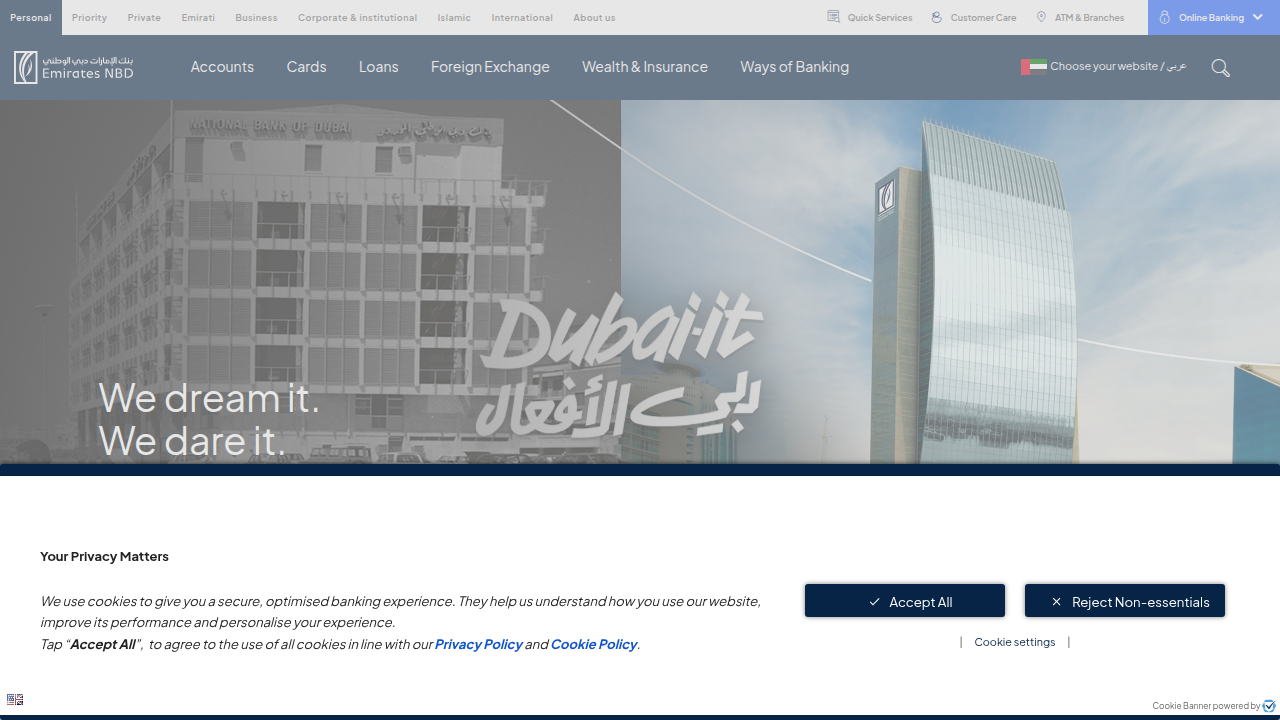
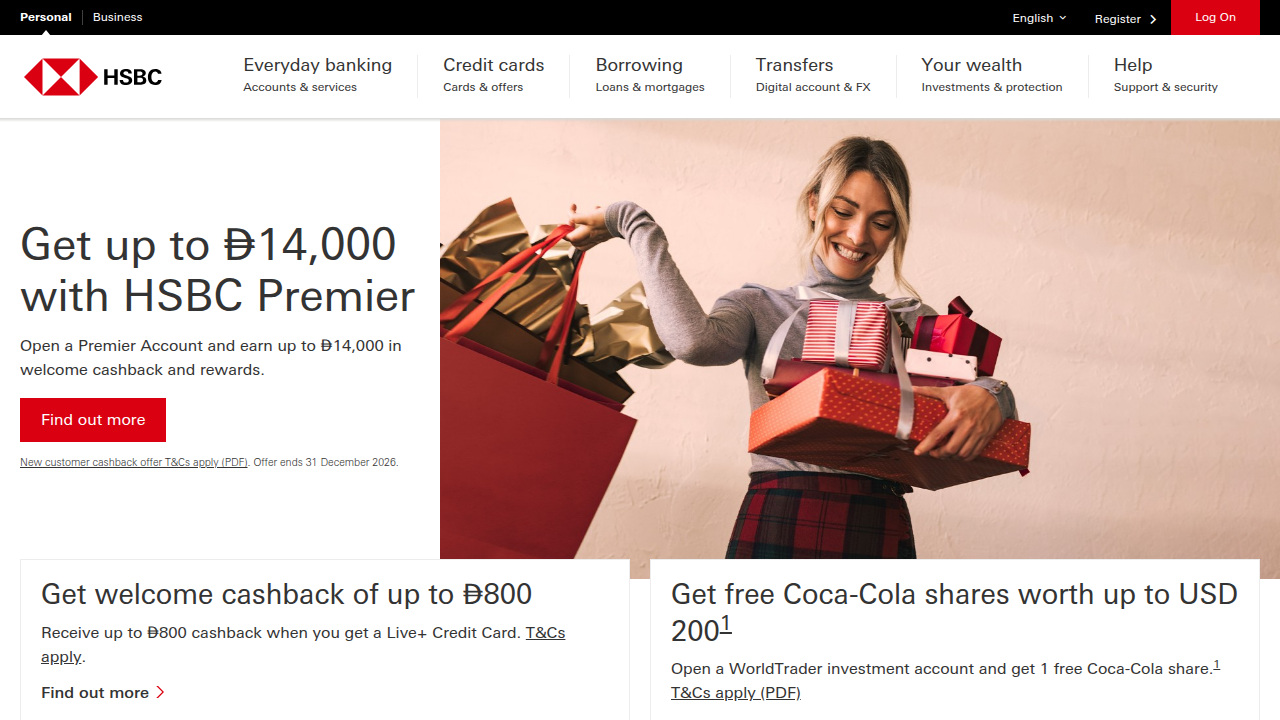
It is smart to check multiple offers before committing. Look beyond the interest rate. Factor in the mortgage registration fee (about 0.25%) and the Dubai Land Department fee (around 4% of the property value). These extra costs add up.
Pro tip: If you are searching for dubai for sale listings, having pre-approved financing gives you an edge. Sellers know you are serious, and you can move quickly when the right property appears.
Need help navigating your options? Get a FREE Dubai Real Estate Consultation and speak directly with an expert who can match you with the right lender and property.
Due Diligence Checklist Before Buying Dubai Property
Once you have your financing sorted, it is time to do your homework before signing anything. Rushing through this stage can cost you time and money. Here is a practical checklist to protect your investment.
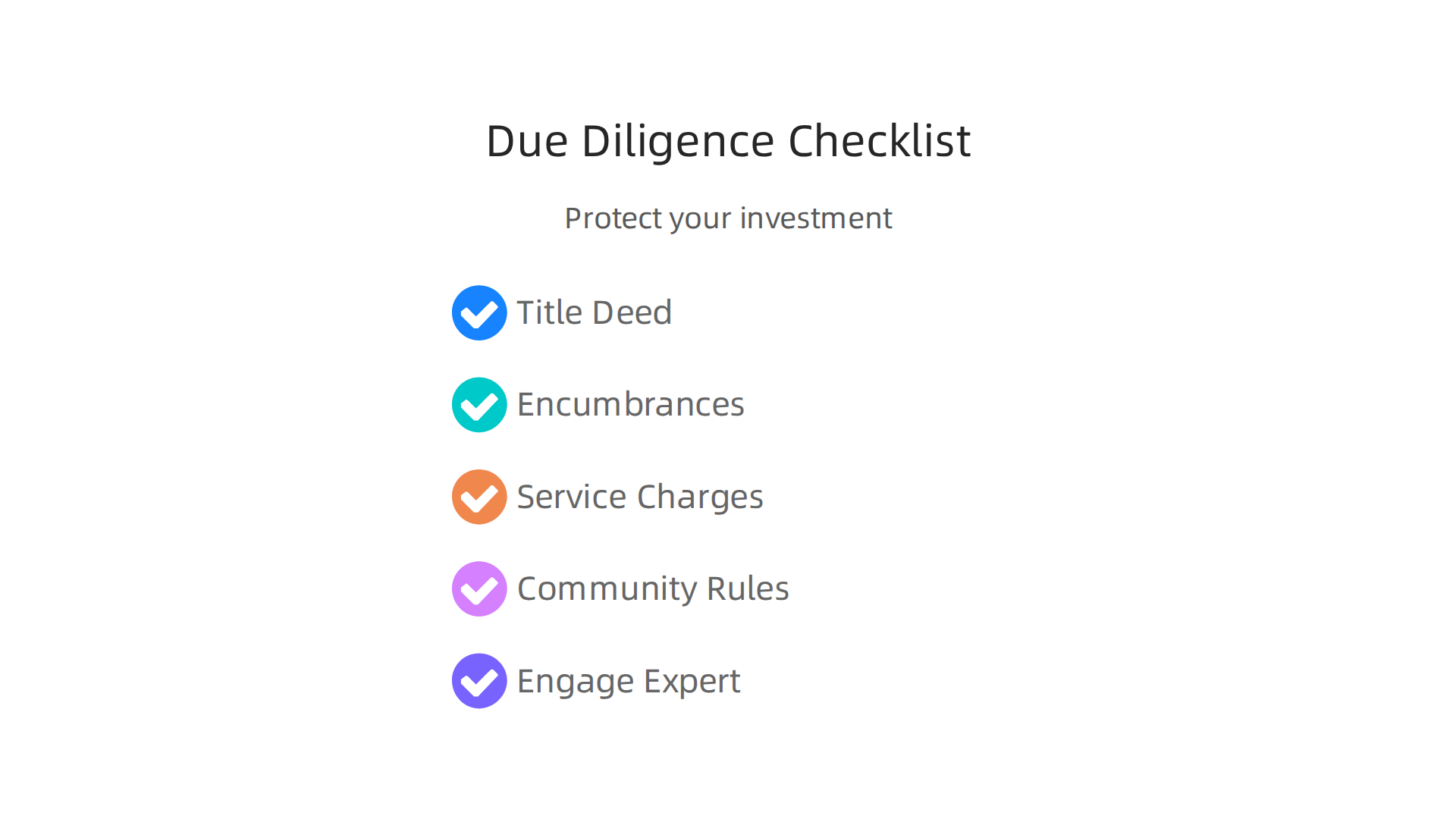
Verify the property title deed and ownership history. The title deed is the official document that proves who owns the property. You can check this through the Dubai Land Department (DLD) online system. Ask the seller or agent for the deed number and confirm that the person selling is the legal owner. Also look into the ownership history. Has the property changed hands many times in a short period? That could be a red flag. For off-plan properties, you must check the developer’s reputation and their registration with the Real Estate Regulatory Authority (RERA). Every licensed developer has a RERA number. You can look it up to see if they have a clean track record. The legal steps for foreigners buying property in Dubai include this verification step before you pay any deposit.
Check for encumbrances, service charges, and community rules. An encumbrance is any claim or lien against the property. The DLD register will show if the property has an outstanding mortgage or any legal disputes. Do not skip this. You also need to ask for the service charge history. This is the annual fee paid to the building or community for maintenance, security, and amenities. Service charges can vary a lot between developments. Ask the seller for the last year of bills so you know what you are taking on. Finally, review the community rules. Some communities have restrictions on pets, rentals, or renovations. Make sure they match your plans. If you are considering how to buy a property in Dubai as an investor, these rules directly affect your rental potential.
Engage a conveyancing lawyer or a licensed real estate agent to review contracts. You do not have to do this alone. A good lawyer will check the Sale and Purchase Agreement (SPA) for any unfair terms. They can also handle the No Objection Certificate (NOC) from the developer and ensure the transfer of ownership goes smoothly. If you are not sure who to use, consider hiring a solicitor for commercial property lease before signing to get professional eyes on your documents. This small investment can save you from big problems later. Even if you are buying a residential property, a lawyer or an experienced RERA-licensed agent will make sure every document is in order.
Take your time with each of these steps. The more you check now, the smoother your purchase will be.
How to Choose a Trustworthy Real Estate Agent in Dubai
A good agent can make your property search smooth and safe. A bad one can cost you time, money, and peace of mind. Here is what to look for.
First, always check the agent’s RERA certification. Every legal real estate agent in Dubai must hold a valid RERA broker card. This card shows their unique license number. The agent must also work under a brokerage that has an ORN (Office Registration Number). You can easily verify both through the Dubai Land Department website or the Dubai REST app. If the agent cannot show you their RERA card or the brokerage’s ORN number, do not work with them. The RERA certification rules are strict for good reason. They protect buyers like you from unlicensed operators. You can also check if there are any complaints against the agent or firm.
Second, ask about fees and read client reviews. Commission rates in Dubai are not fixed by law, but most residential sales charge about 2% of the property price plus VAT. Commercial properties can be higher. Good agents will explain their fees clearly in writing before you sign anything. They will also give you recent client testimonials. Look for agents who have a track record of happy buyers and sellers in the area you are interested in. If you are looking at real estate commercial for sale deals, make sure the agent has experience with that specific property type.
Third, choose an agent with specialist knowledge. The best agent for you is one who knows your target area and property type inside out. Whether you want a villa in Palm Jumeirah, an apartment in Dubai Marina, or an office in DIFC, find an agent who focuses on that market. They will know current prices, upcoming developments, and the community rules that matter. This specialist knowledge helps you find the best property in Dubai for your needs. A general agent might not give you the same depth of information.
If you want to dive deeper, read this guide on how to choose real estate brokerage companies in Dubai for commercial property. It covers how to pick a firm that fits your goals.
When you find a licensed, transparent, and knowledgeable agent, the whole buying process becomes easier.

They handle paperwork, negotiate on your behalf, and help you avoid costly mistakes. So take your time to choose well.
Ready to start your property search with a trusted professional? Get your FREE Dubai Real Estate Consultation today and speak with an expert who can guide you step by step.
Summary
This guide explains how to find and buy the best property in Dubai in 2026, balancing market insight, legal steps, and practical tips for both residents and international buyers. It outlines who can buy in freehold areas, the role of the Dubai Land Department (DLD) and RERA, and key documents like the Sales and Purchase Agreement and Oqood for off‑plan deals. You’ll get clear pricing context—how prices and rental yields have moved, which communities are rising, and what to expect for 2026—plus financing options including mortgage rules and Sharia‑compliant alternatives. The article also gives a step‑by‑step due diligence checklist, explains common costs (booking deposits, transfer fees, service charges), and shows how to pick a licensed agent or lawyer. By reading this, you’ll be able to check titles, verify developers, compare lenders, and proceed with confidence whether you’re buying a home, an investment apartment, or commercial space.