
Introduction: Why Commercial Property Financing Matters in Dubai
Dubai’s commercial real estate market is growing fast in 2026. More businesses and investors are looking for office space, retail shops, and warehouses across the city. But here’s the thing: buying commercial property in Dubai takes serious money. Most people cannot pay cash upfront. That is where real estate commercial loans come in.
According to the 2026 commercial real estate outlook, lending activity for commercial property is recovering around the world. In Dubai, the numbers tell a similar story. The UAE real estate market was worth USD 38.05 billion in 2025 and is expected to grow steadily through 2034. Dubai alone holds over half of that market. For anyone thinking about property investment in Dubai, understanding how commercial financing for real estate works is not optional.

It is essential.
Getting a commercial loan for real estate in Dubai is different from getting a home loan. Lenders here follow specific rules. They look at your business finances, property type, and your plans for the space. They also care about local regulations and market conditions. Without knowing these details, you could waste time or miss good deals.
This guide is your roadmap. We will walk through the types of commercial loans available in Dubai, what lenders look for, and how to prepare your application. Whether you are a business owner looking for office space or an investor exploring new opportunities, knowing how to navigate real estate commercial loans will save you money and stress.
If you are ready to take the next step, you can connect with an expert for a FREE Dubai Real Estate Consultation. A professional can help you understand your options and find the right financing for your situation.
Let us start with the basics: the different loan types you will find in Dubai’s commercial market.
So what exactly are real estate commercial loans? They are loans designed to help you buy, refinance, or develop commercial property in Dubai. Think office buildings, retail shops, warehouses, and industrial spaces. These loans work differently from the mortgage you would get on a home.
The biggest difference is how lenders look at risk. With a home loan, the bank checks your personal income and credit score. With a commercial loan for real estate, the lender also looks at your business finances, the property’s income potential, and the overall market. Loan amounts are usually larger. Terms can be shorter. And interest rates often change based on business conditions.
Lenders in Dubai offer a few common types of commercial financing for real estate.
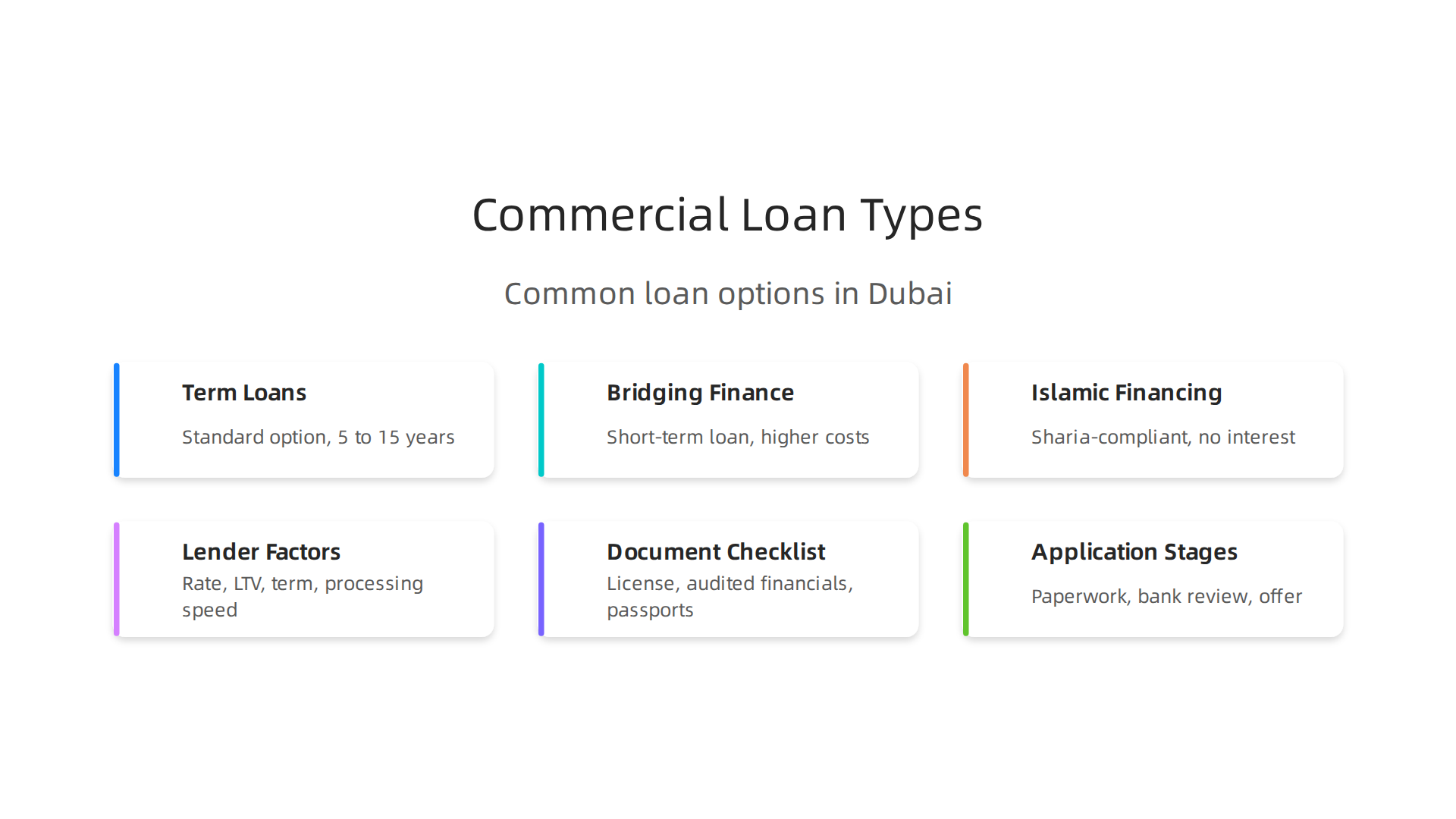
Knowing them helps you pick the right one.
Term loans are the standard option. You borrow a fixed amount and pay it back over a set period, usually 5 to 15 years. This works well if you plan to hold the property long term.
Bridging finance is a short-term loan. It helps you cover a gap, like when you need cash quickly to secure a deal before selling another property. Bridging loans are faster but come with higher costs.
Islamic financing follows Sharia law. Instead of charging interest, the bank buys the property and sells it to you at a profit over time. This is common in Dubai and works well for investors who want Sharia-compliant options. The strength of the Middle Eastern loan market continues to support these products.
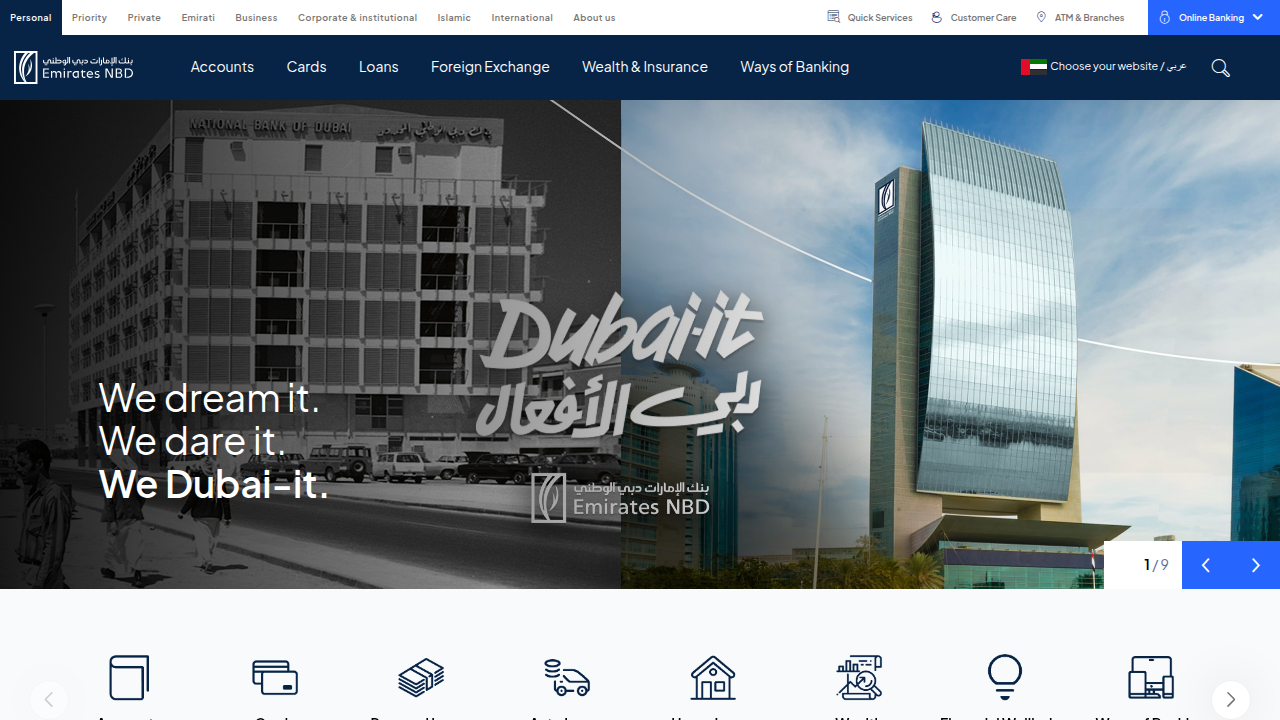
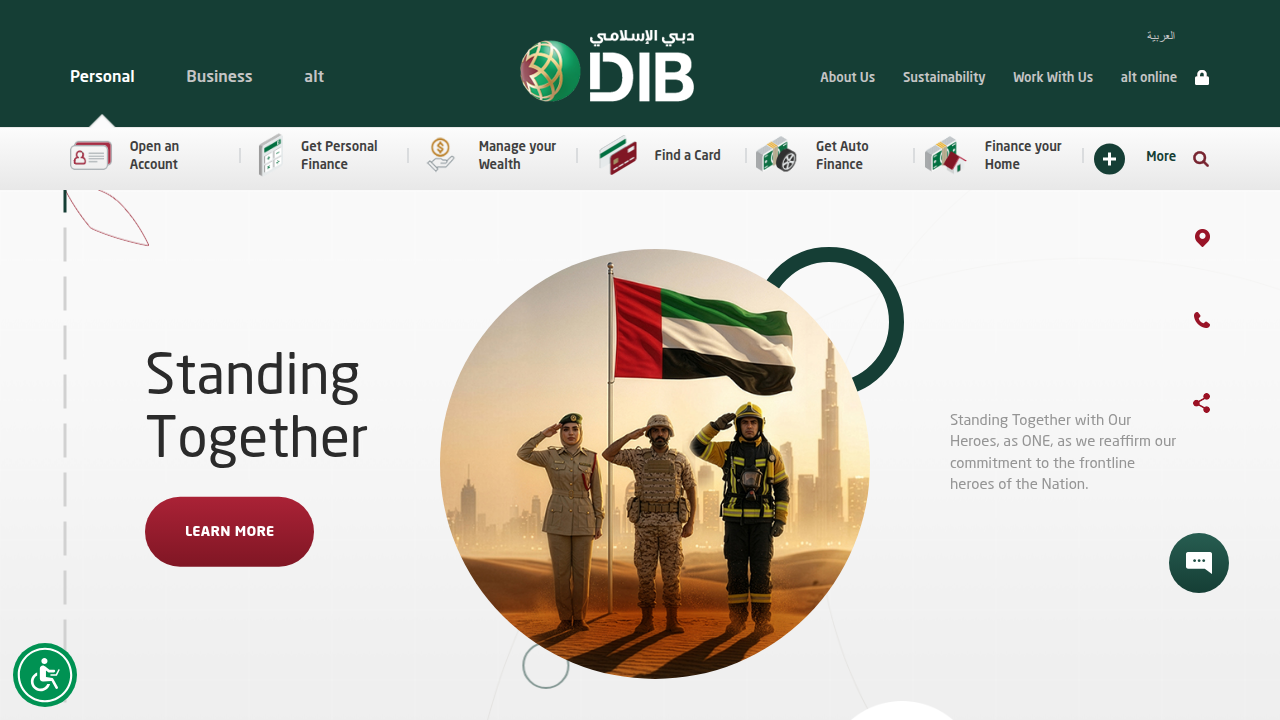
Several key players handle these loans. Local banks like Emirates NBD and Dubai Islamic Bank are major lenders.
International banks also offer services. Private lenders and finance companies fill in where banks are stricter. And government bodies like the Dubai Land Department set the rules.
If you want to learn more steps, check out this guide on how to secure financing. It breaks down the full process from start to finish.
Now that you understand the basics, let us look at who qualifies for these loans and what lenders check before saying yes.
2. Key Lenders and Financial Institutions in Dubai’s Commercial Lending Space
So who actually hands you the money? Knowing the main players makes your search for real estate commercial loans much easier. Dubai has a strong mix of local banks, Islamic lenders, and regulatory bodies that keep everything fair.
Major Banks and Islamic Institutions
The biggest lenders in Dubai are well known. Emirates NBD and Dubai Islamic Bank lead the market. They each offer competitive rates and flexible terms for commercial financing for real estate. Abu Dhabi Commercial Bank (ADCB) and Mashreq Bank are also top choices. According to a useful overview of how Dubai banks support investors, each lender sets its own loan-to-value ratios and repayment periods based on the property type and your business history. You can check out the full list of major banks offering commercial mortgages in the UAE for more details.
Islamic financing is huge here. Banks like Dubai Islamic Bank and Noor Bank offer Sharia-compliant products where they buy the property and sell it to you at an agreed profit margin over time. No interest, just a clear upfront agreement. This works well for many investors looking for a commercial loan for real estate that matches their values.
The Role of Regulators
Two main bodies keep lenders in check. The Central Bank of the UAE sets interest rate rules, reserve requirements, and lending limits for all banks. It makes sure the system stays stable and fair for everyone. The Real Estate Regulatory Agency (RERA) oversees property development and protects buyer funds.
Every registered developer in Dubai must follow RERA escrow rules, which means your money is safer when you invest. You can learn more about how RERA protects buyer funds in this comprehensive Dubai commercial property developers guide.
How to Choose the Right Lender
Picking a lender is not just about the lowest rate. Here is what to compare:
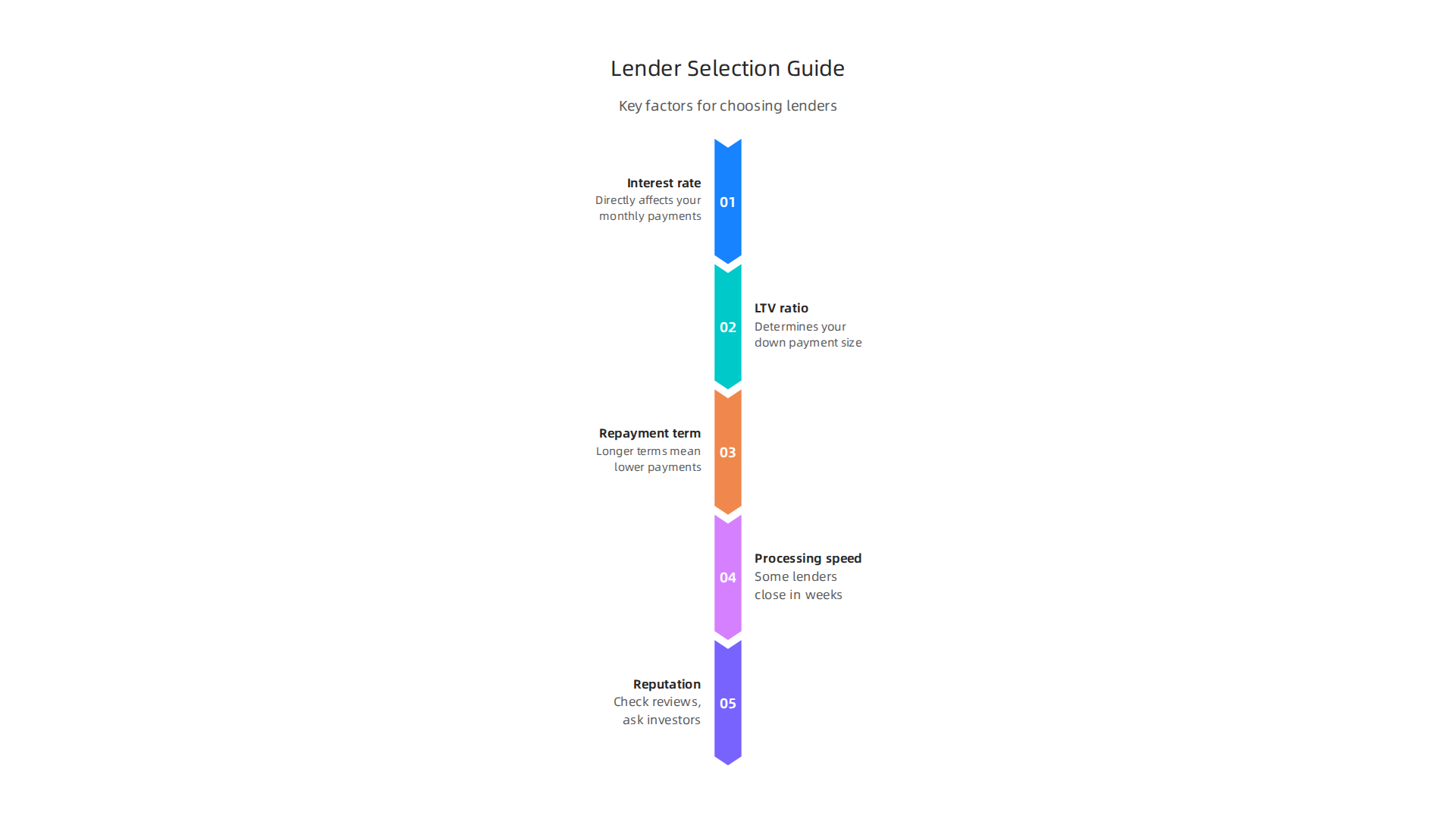

| Factor | Why It Matters |
|---|---|
| Interest rate | Directly affects your monthly payments |
| Loan-to-value ratio | Determines your down payment size |
| Repayment term | Longer terms mean lower payments but more total interest |
| Processing speed | Some lenders close in weeks, others take months |
| Reputation | Check reviews and ask other investors |
Speed and flexibility matter more than you think. Some lenders process commercial loan applications in under three weeks. Others take two months. If you are competing for a hot property, fast financing makes the difference.
Before you settle on a lender, do your homework. Compare offers from at least three banks. Ask about early repayment penalties. And make sure the lender understands your business type and property use.
If you want a full picture of the current commercial property landscape, check out this Dubai commercial real estate market guide for investors. It covers trends, yield data, and tips for making smart moves in 2026.
Need personal help finding the right financing partner? FREE Dubai Real Estate Consultation Whatever your situation, connect with Ayaz Salman for free advice on lenders, rates, and your next steps.
3. Eligibility Criteria and Documentation for Commercial Loans
Once you know which lender you want to work with, the next step is getting your documents ready. Banks in Dubai have clear rules about who qualifies for real estate commercial loans. If you show up with the right paperwork, the process moves much faster.
What Banks Look For
Lenders check four main things when you apply for a commercial loan for real estate.
First, your credit score matters. A strong credit history in the UAE tells the bank you pay your bills on time. Second, they review your business financials. This means your company’s revenue, profit, and cash flow over the past two to three years. Third, the property itself gets valued by an approved appraiser. The loan amount depends on that value. Fourth, the bank calculates your debt service coverage ratio (DSCR). This number shows if your business earns enough to cover the loan payments each month. Most banks in Dubai want a DSCR of at least 1.2 to 1.5.
Documents You Need to Gather
Here is the standard checklist for commercial financing for real estate in Dubai.
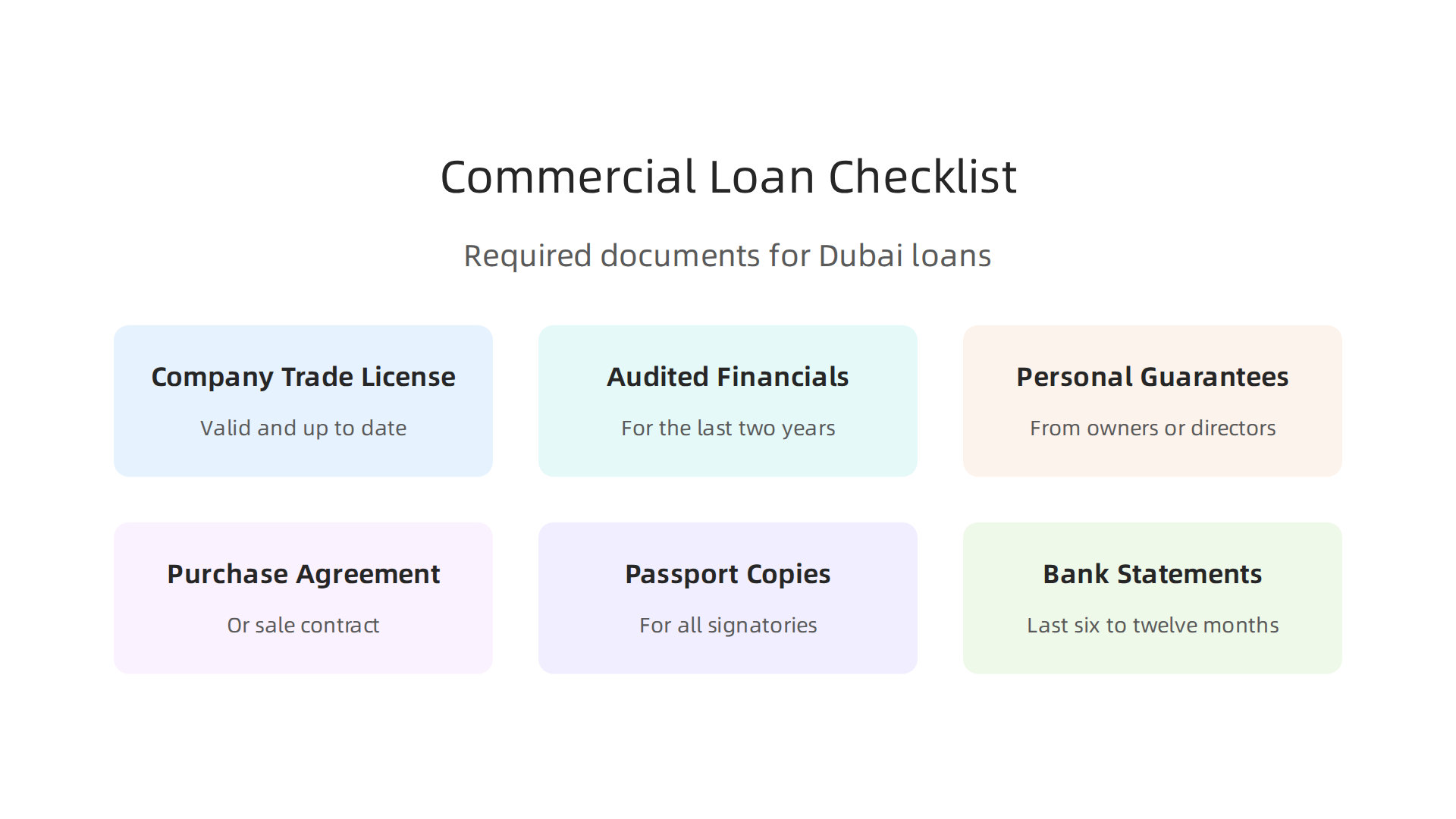
- Company trade license (valid and up to date)
- Audited financial accounts for the last two years
- Memorandum of association
- Personal guarantees from the company owners or directors
- Property purchase agreement or sale contract
- Passport copies and visa pages for all signatories
- Bank statements for the last six to twelve months
If you are an expat investor, you will also need to show your residency visa and Emirates ID. Some lenders ask for proof of income from outside the UAE too.
Offshore companies face extra steps. Banks often want to see the parent company’s financials and a board resolution approving the loan. You may need a local sponsor or a registered branch in Dubai. Working with a guide on commercial property mortgage documents can help you get everything right the first time.
Why Preparation Pays Off
Missing even one document can slow your application by weeks. Smart investors get their paperwork reviewed by a broker or lawyer before submitting it to the bank. This simple step prevents delays and keeps you in the running for the best properties. For a deeper look at the full process from start to finish, check out this guide on how to secure financing for commercial real estate in Dubai.
The approval process normally takes two to six weeks. Having everything ready cuts that time in half.
4. Loan Structures: Term Loans, Bridging Finance, and Islamic Financing
Dubai banks offer different ways to fund your commercial property purchase. The right structure depends on your timeline, budget, and values. Here is a breakdown of the main options for real estate commercial loans.
Term Loans for Long-Term Ownership
A term loan gives you a lump sum upfront. You repay it in fixed monthly installments over one to five years. This structure works best when you plan to hold the property for years. You get predictable payments and stable rates. Many investors use term loans to buy office space, warehouses, or retail units. For more on this option, check out this detailed look at commercial real estate loans in Dubai 2026.
Bridging Finance for Quick Moves
Bridging finance is a short-term loan. It covers the gap between buying a new property and selling an old one, or between signing a contract and getting permanent funding. These loans last six to twelve months. The rates are higher, but approval is fast. If you need to act quickly on a deal, bridging finance helps you move without waiting.
Islamic Financing Options
If you prefer Sharia-compliant funding, UAE banks offer several structures for commercial loans for real estate.
-
Murabaha: The bank buys the property and sells it to you at a marked-up price. You pay in installments. No interest involved. This is a popular choice for commercial financing for real estate.
-
Ijara: A lease-to-own setup. The bank owns the property and leases it to you. You pay rent, and ownership transfers later. Good if you want to use the property right away.
-
Musharaka: You and the bank form a partnership. Both put in capital and share profits or losses. Over time, you buy out the bank’s share.
Islamic financing is widely available in Dubai. The UAE Business Loans for SMEs guide explains how these profit-based models work for businesses. The DIB SME Business Finance page shows Murabaha-based financing with tenures up to 36 months.
Picking the Right Structure
Your choice depends on your goals. For long-term holding, a term loan or Ijara works well. For speed, bridging finance. For Sharia compliance, Murabaha or Musharaka. Compare costs and terms before deciding.
Need help choosing? Get a FREE Dubai Real Estate Consultation with an expert who knows the local market.
5. Islamic Financing Options for Commercial Property in Dubai
If Sharia-compliant funding matters to you, Islamic financing offers a clear path for commercial property in Dubai. These products are based on asset ownership and profit sharing. They are widely available through major UAE banks and regulated by the Central Bank.
Murabaha (Cost-Plus Financing)
This is the most common structure for real estate commercial loans. The bank buys the property you want and sells it to you at a marked-up price. You pay in fixed installments over an agreed term. The profit rate is set upfront, so you know your payments from day one. This works well for buying an office unit, warehouse, or retail space. Emirates NBD offers this through their long-term business financing solutions for property.
Ijara (Lease-to-Own)
In Ijara, the bank purchases the property and leases it to you. You pay rent for a fixed period. When the lease ends, ownership transfers to you. This helps you use the property immediately without a huge upfront payment. It is a practical option for commercial financing for real estate when you need the space now.
Musharaka (Partnership)
Musharaka is a co-ownership model. You and the bank both invest in the property. Profits and losses are shared based on your ownership ratio. Over time, you buy out the bank’s share through regular payments. This is flexible and suits investors who want a partnership instead of a traditional loan.
For a broader look at how UAE banks structure these options, the guide on how UAE banks support commercial property investment explains the process.
If you are ready to start, you can explore secure commercial financing real estate in Dubai with confidence through our detailed walkthrough.
Understanding these Islamic financing options helps you choose the right fit for your property journey.
6. Interest Rates, Fees, and Repayment Terms – 2026 Outlook
Now that you understand the financing structures available, let’s talk about what a loan actually costs you in 2026. Interest rates, hidden fees, and repayment schedules all affect your bottom line. Knowing these details before you apply saves you money and stress.
The Current Interest Rate Environment in the UAE
Commercial loan rates in the UAE are closely tied to EIBOR (Emirates Interbank Offered Rate). As of mid 2026, the Central Bank of the UAE base rate sits at 3.65%. This directly influences what banks charge you for a commercial loan.
Most banks offer two rate options:
- Fixed rate – Your rate stays the same for a set period, usually 1 to 5 years. This gives you predictable payments.
- Variable rate – Your rate moves with EIBOR. This can save you money if rates drop, but payments can rise too.
For a clear picture of where rates stand today, the United Arab Emirates Interest Rate data from Trading Economics shows the base rate and trend forecasts through 2027.

Typical Fees You Will Encounter
Banks charge more than just interest. Here are the common fees attached to a commercial loan for real estate in Dubai:
| Fee Type | Typical Cost |
|---|---|
| Processing fee | 0% to 1% of the loan amount |
| Property valuation fee | AED 2,500 to AED 5,000 |
| Legal fees | AED 5,000 to AED 15,000 |
| Early settlement penalty | 1% to 3% of outstanding balance |
| Late payment fee | Around 1% per month on missed amount |
Some banks waive certain fees for buyouts or refinancing. Check the fine print before you sign.
Repayment Terms to Expect
Commercial mortgage terms in the UAE are shorter than residential ones. You can typically expect:
- Maximum tenure: Up to 15 years for expats, sometimes longer for UAE nationals
- Loan-to-value ratio: Up to 80% for UAE nationals, up to 70% for expats
- Balloon payments: Some loans require a lump sum at the end of the term
A detailed guide to mortgage for commercial properties in the UAE explains the standard terms, documentation, and lender expectations for both owner-occupiers and investors.
Fixed vs. Variable Rates in 2026
With the base rate holding at 3.65% and forecasts showing a potential rise toward 4.15% in 2027, many borrowers are choosing fixed rates for the first few years. This locks in your cost and protects you from future increases.
Variable rates can start lower but carry more risk. If you plan to hold the property for a short time, a variable rate might save you money. For long-term ownership, a fixed rate offers peace of mind.
Your Next Step
Understanding rates, fees, and terms puts you in control. But every deal is different. Your credit profile, property type, and loan size all change the numbers.
If you want personalized guidance on your commercial loan options in Dubai, a FREE Dubai Real Estate Consultation with an experienced advisor can help you compare offers and choose the smartest path forward.
7. Step-by-Step Application Process for a Commercial Loan
So you have compared rates, checked the fees, and picked the right loan type. Now it is time to actually apply. The process for real estate commercial loans in Dubai might feel intimidating at first, but it breaks into three clear stages.
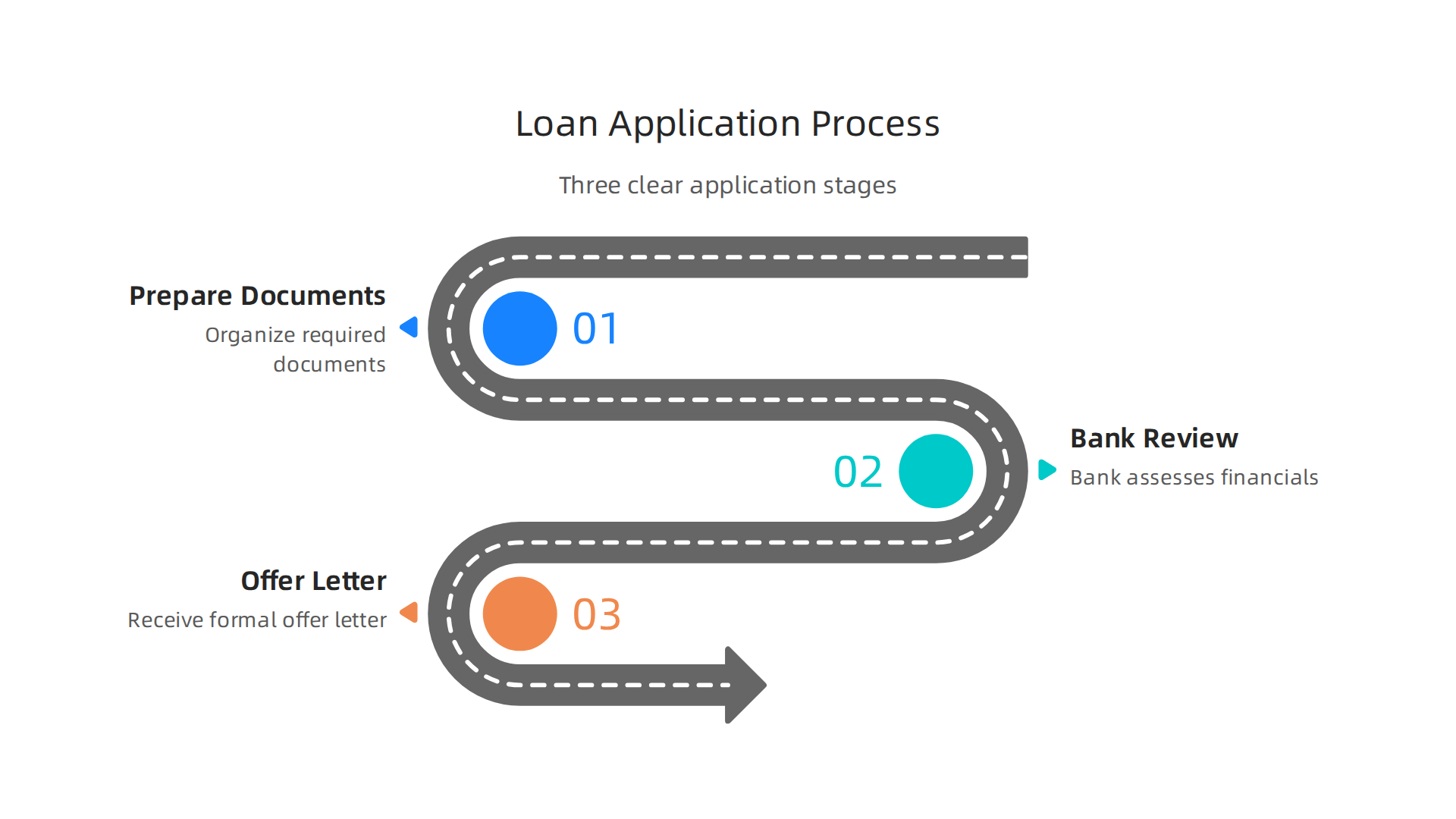
Let us walk through each one so you know exactly what to expect.
Stage 1: Pre-Application Preparation
This is where you get your paperwork in order before you talk to any bank. Lenders want to see that you are a safe bet. Start by pulling your personal and business credit reports. A strong credit score opens the door to better rates on any commercial loan for real estate.
Next, gather your financial documents. Salaried applicants need salary slips from the past three months, a salary certificate, employment proof for the last three years, and bank statements for the last six months. Self-employed applicants need their Memorandum of Association, trade license copy, six months of bank statements, and two years of audited financial reports.
Also, research the property you want. Know the location, the type, and the estimated value. This speeds up everything later.
Stage 2: Submission and Underwriting
Once your documents are ready, submit them to your chosen lender. The bank reviews your financial health, checks the property value through an independent valuation, and runs legal due diligence. This underwriting process usually takes one to four weeks depending on the complexity of the deal.
During this stage, the bank also checks the property title deed and ensures there are no legal disputes. If you are new to this process, consider working with a professional. A good agent can help you navigate application requirements and avoid common mistakes.
Stage 3: Approval, Offer Letter, and Disbursement
If everything checks out, the bank issues a formal offer letter.

This letter spells out the loan amount, interest rate, repayment term, and any conditions you must meet. Read every line carefully before signing.
After you accept the offer, the bank prepares the final paperwork and schedules the disbursement. The funds go directly to the seller or to your account based on the agreement. From start to finish, the full process for commercial financing for real estate in Dubai typically takes four to eight weeks when you have everything ready from day one.
The current commercial loan rates for real estate in the UAE range between 5.10% and 12.75% depending on the property type and your profile as of June 2026. Knowing the application steps puts you in the driver’s seat and helps you move with confidence.
8. Common Mistakes to Avoid When Financing Commercial Property in Dubai
You have learned the application steps and know the rates. But even with that knowledge, many investors trip up on a few common mistakes. Avoiding these errors can save you time, money, and a lot of stress when you are seeking real estate commercial loans in Dubai.
Underestimating total costs
One of the biggest surprises for new investors is the full price tag. The loan amount is only part of the picture. You also need to budget for deposit, valuation fees, legal costs, processing fees, and sometimes early repayment penalties. Many people assume costs are similar to residential loans, but commercial deals come with higher fees. To avoid this trap, look at the common pitfalls in lending and make sure you factor in all charges upfront.
Not comparing multiple lenders or loan structures
It is tempting to go with the first bank that says yes. But lenders offer different rates, terms, and structures. Some charge lower interest but higher fees. Others offer fixed rates that protect you if market rates rise. Failing to shop around is one of the main mistakes investors make in commercial real estate financing. Take the time to compare at least three lenders and ask about both fixed and floating rate options for your commercial financing for real estate deal.
Ignoring Sharia compliance requirements for certain buyers
If you or your business follows Islamic finance principles, you need a Sharia-compliant loan. Not all banks in Dubai offer these products, and the terms work differently from conventional loans. Skipping this check can lead to a loan that conflicts with your beliefs or causes legal issues later. Before you sign anything, confirm the structure aligns with Sharia rules.
One smart way to avoid these mistakes is to work with someone who knows the Dubai market inside and out.

Having a knowledgeable guide on your side can help you compare options and sidestep hidden costs. If you want expert help navigating your commercial loan for real estate journey, feel free to connect with a professional for a FREE Dubai Real Estate Consultation.
Also, take time to understand the full details of your loan structure before committing. For a deeper look at the options available, check out our guide on securing commercial real estate loans in Dubai.
Summary
This article explains how commercial property financing works in Dubai in 2026 and why it matters for business owners and investors. It covers the main loan types—term loans, bridging finance, and Islamic financing—plus the major lenders and regulators you’ll meet when applying. You’ll learn what banks evaluate (credit, business financials, DSCR, and property valuation), the typical documentation required, and practical loan structures for different goals. The guide also breaks down current rate drivers, common fees, repayment terms, and timelines so you can estimate true costs. Step-by-step application stages and approval timing help you prepare and move faster, while a checklist of common mistakes shows how to avoid delays and extra costs. After reading, you’ll know how to compare lenders, choose a suitable financing structure, and assemble an application that improves your chances of approval.