

Introduction
Finding the right commercial property in Dubai can feel like a puzzle with missing pieces.

You jump from one listing site to another. You save number after number. You read through confusing legal terms. It takes hours, sometimes days, just to get a basic idea of what is out there.
This is the real problem for investors and tenants in 2026. The market is growing fast, but the information is all over the place.
You might hear people ask for a "zillow of commercial real estate" in Dubai. What they mean is simple. One place to see everything. One dashboard for listings, market reports, and lease terms.
A true CRE platform can be that solution. It brings scattered data into a single view. According to a Top 5 Features to Look for in Commercial Real Estate Software, the best platforms help you manage property data, evaluate risks, and track everything without switching between tools.
This guide is your starting point. We explain what a "zillow of commercial real estate" platform really does. We compare it to using commercial real estate on zillow. And we show you what to look for when you need a property finder rent in dubai.
Ready to stop the endless search? You can get expert help today. Ayaz Salman offers a FREE Dubai Real Estate Consultation to guide you through the options.
And if you want to understand the bigger picture first, check out this Dubai commercial real estate 2026 market guide for investors.
What Is a Commercial Real Estate Platform?
A commercial real estate platform is a digital marketplace built for businesses, investors, and brokers. Think of it as one website where you can search for offices, retail shops, warehouses, and industrial spaces. You can also check market data, compare lease terms, and connect with agents all in the same place.
This is different from using a site like Zillow for houses. Residential platforms focus on square footage, bedrooms, and neighborhood feel. A CRE platform handles things like lease structures, net operating income, and zoning rules. The data is more complex because each property supports business activity instead of personal living.
According to the commercial real estate definition from Investopedia, commercial properties are used to generate income through leasing or appreciation. That means a CRE platform needs to show you things like tenant history, lease expiration dates, and potential rental yield. You will not find that on a standard home listing site.
A good CRE platform brings three main pieces together:
- Property listings with photos, floor plans, and pricing
- Analytics and market reports so you can compare rents and vacancy rates
- Agent and legal tools to help you make an offer or sign a lease
In Dubai, the market moves fast in 2026. Having a single dashboard saves hours of jumping between different sites. You can filter by property type, location, and budget much faster than calling agents one by one.
If you want to see how local portals work in Dubai, check out this guide on finding commercial real estate on LoopNet and local platforms. It shows you the exact steps to narrow down your search.
A CRE platform is not just a listing board. It is a tool that helps you make smarter decisions with real data. That is what people mean when they ask for a "zillow of commercial real estate." They want speed, clarity, and everything in one place.
Key Features to Look for in a CRE Platform
Not every commercial real estate platform works the same. Some focus on listing photos. Others focus on market reports. The best ones give you both in one clean dashboard. If you want the real "zillow of commercial real estate," look for these three features.
1. Data accuracy and depth
You need property records you can trust. That means square footage, zoning rules, year built, and ownership history. You also need past transaction data so you can see what similar properties actually sold for. Without that depth, you are guessing.
The Commercial Real Estate Data: Complete 2026 Guide lists the key data types every good platform should have — from transaction records to tenant credit quality. A strong platform puts all of this in one place so you do not have to call multiple brokers or dig through county files.
2. Analytics tools
You do not just want listings. You want answers. A great CRE platform includes tools that calculate cap rates, project ROI, and compare current market rents. These tools let you weigh two properties side by side without doing the math yourself.
Many modern platforms now use AI to handle underwriting and portfolio monitoring. According to the Top 10 CRE Asset Management Software & Investment Platforms review, the best systems can boost productivity by up to 30 times. That means less time crunching numbers and more time making smart choices.
3. User experience
The interface should feel simple. You want search filters for property type, price range, square footage, and lease terms. Map overlays help you see how a property sits next to transit, competitors, and population hubs. This is especially useful when you are exploring a new market like Dubai.
Lease document management is another must. A good platform lets you store, share, and compare lease agreements and due diligence reports from a single page. The Essential commercial real estate tools for 2026 guide highlights how centralized document tools speed up communication and keep sensitive data safe.
If you are searching in Dubai, these same features help you narrow your options fast. For example, using advanced filters can show you only office spaces in Business Bay or warehouses in Al Quoz. Check out this guide on commercial real estate rental listings dubai 2026 how to find and lease office and retail space to see how local platforms handle search.
When you combine accurate data, smart analytics, and a clean user interface, you get the closest thing to a "zillow of commercial real estate." That is the platform worth your time.
Ready to start your property search in Dubai? Get a FREE Dubai Real Estate Consultation with a trusted agent who can help you find the right commercial space.
Why Dubai’s Commercial Real Estate Market Demands Specialized Platforms
Even the best general CRE platform can fall short in Dubai. Why? Because Dubai’s market has layers of complexity that most tools built for the US or Europe simply do not cover. If you want the real "zillow of commercial real estate" for Dubai, the platform needs to handle three specific challenges.
Freehold vs. leasehold and foreign ownership rules
Dubai divides its property into two types. Freehold areas let foreign buyers own the land and building outright. Leasehold areas only give you rights to use the space for a set period. Some commercial land in Dubai uses a "Musataha" right, which is a special leasehold arrangement that can last up to 50 years. The Dubai Real Estate Laws and Regulations 2026 guide explains how freehold zones grant 100 percent foreign ownership, while other areas follow different rules. A good platform must clearly label which areas are freehold, which are leasehold, and what type of ownership is available.
The recent Regulation of Musataha Rights over commercial lands in Dubai decree shows how the government organizes these long-term leasehold structures. A general listing site might miss these details. A Dubai-focused platform builds them into every listing.
Multiple regulatory bodies
You do not just deal with one authority in Dubai. The Dubai Land Department (DLD), the Real Estate Regulatory Authority (RERA), and the Dubai Municipality each have their own rules. RERA oversees broker licensing and project registration. DLD handles property transfers and the escrow system. These overlapping rules mean a platform must pull data from multiple official sources to give you accurate information about a property’s legal status.
High transaction volumes and data transparency
Dubai’s commercial market has grown fast. In business districts like Business Bay, office space has shown strong compound growth. With so many transactions happening, you need transparent data on recent sale prices and lease rates. A specialized platform can aggregate this data from verified sources, giving you numbers you can trust. That transparency helps you avoid overpaying or signing a bad lease.
For a deeper look at how the local market is structured, check out this guide on the Dubai Commercial Real Estate 2026 Market Guide for Investors. It explains the key districts and investment rules that shape every transaction.
A platform built for Dubai’s market is not a nice extra. It is the only way to get the full picture. That is what makes a true "zillow of commercial real estate" work in this city.
How to Choose the Right Platform for Your Investment Strategy
Not every platform works the same way. And your investment style should drive which one you pick.

Here’s how to match a platform to your goals.
For buy-and-hold investors
If you plan to own a commercial space for years and collect rent, you need deep market data. Look for platforms that give you historical rent trends, vacancy rates, and tenant quality information. You want to know if an area is growing or shrinking. You also need details on long-term lease structures like Musataha rights. A good platform will show you the full operating history of a building. That helps you predict your cash flow.
For flippers and value-add investors
If you buy properties to fix up and resell fast, speed matters. You need transaction data that is updated daily. Look for platforms that show recent sale prices and days on market. You also want to see which areas are getting new infrastructure. A platform with AI-assisted analytics can help you spot undervalued properties before others do. Many modern tools include features like automated underwriting and comparable sales analysis. That saves you hours of manual work.
For leasing and tenants
If you are looking to rent office space or a retail unit, your focus is different. You need flexible search filters for lease type, size, and amenities. A platform that lists rent-free periods and service charges helps you compare real costs. You also want to see which buildings are managed by reputable firms. Tenant portals can help you track maintenance requests and lease renewals later. This kind of platform makes the leasing process smoother from day one.
Data coverage across Dubai’s zones
Dubai has many commercial zones: DIFC, Business Bay, JLT, Dubai Silicon Oasis, and more. Each has different rules and rent ranges. A good platform covers all of them. The best commercial real estate software in 2026 consolidates property data, transaction data, and market data into a single workspace. That lets you compare a warehouse in Al Quoz with an office in Barsha Heights side by side. Without wide coverage, you might miss the best deal.
Cost considerations: subscription vs. commission
Some platforms charge a monthly fee. Others take a percentage when you close a deal. Subscription models work well for active investors who use the platform daily. Commission-based models are better if you only search occasionally. Check what you get for each option. Free tiers often limit data access. Paid tiers unlock comparable sales and detailed reports.
If you want to find properties that match your exact strategy, start with a platform that covers all the bases. And if you need expert guidance, take the next step and get a FREE Dubai Real Estate Consultation with a professional who knows the market inside out.
Top Commercial Real Estate Platforms Compared
Now that you know what to look for in a platform, let’s look at the top options available in Dubai right now. No single site works the same way. Think of these as the zillow of commercial real estate for the UAE market. Each has its own strengths, weaknesses, and ideal use case.
The Big Three: Property Finder, Bayut, and Dubizzle
These three consumer portals carry the bulk of Dubai’s commercial listings. According to industry data from a recent Best Websites for Dubai Commercial Property Listings guide, Property Finder holds the largest share of residential inventory, and its commercial section covers a solid range of mid-market offices, retail units, warehouses, and showrooms.
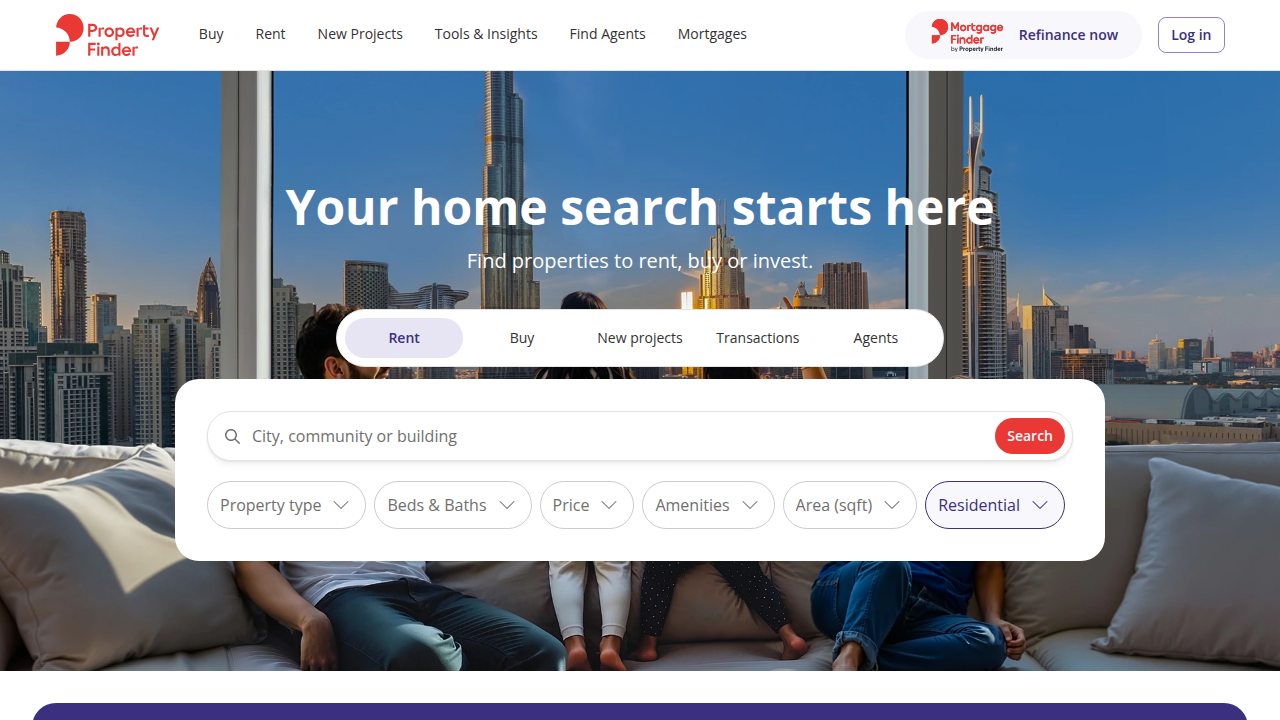
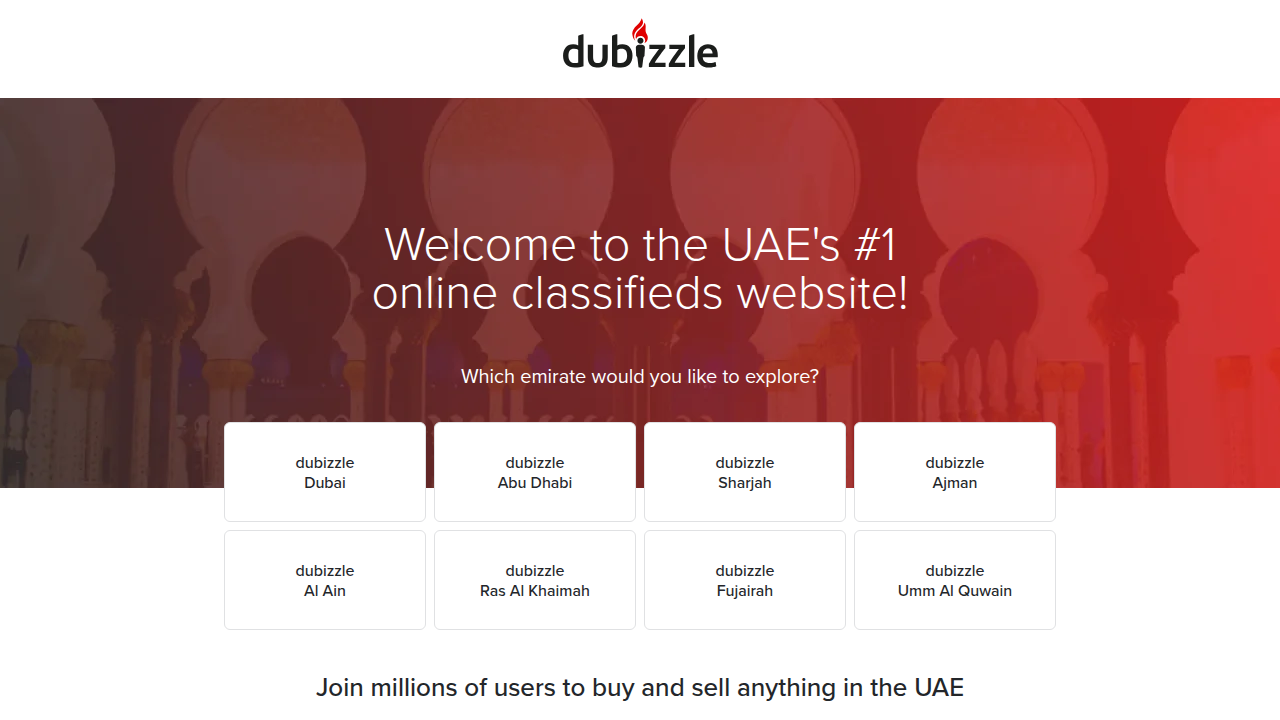
Bayut runs as its main competitor with similar coverage. Dubizzle focuses on the lower end of the market with smaller offices, short-term licenses, and flexible spaces renting between AED 15,000 to AED 80,000 per year.
Here is a quick comparison:
| Platform | Key Features | Best For | Pricing Model |
|---|---|---|---|
| Property Finder | Largest inventory, advanced search filters by type/location/size/price | Mid-market commercial tenants and investors | Free to browse; agents pay for listings |
| Bayut | Comparable inventory, strong competitor to Property Finder | Same mid-market audience | Free to browse; agents pay for listings |
| Dubizzle | Unique lower-end listings, informal/flexible arrangements | Startups, small businesses on a tight budget | Free to browse; agents pay for listings |
Strengths and Weaknesses from User Experience
Property Finder gets high marks for its clean interface and comprehensive search tools. Users like being able to filter by property type, location, size range, and price all at once. The downside? For high-end Grade A offices or large industrial spaces, the inventory gets thin. Serious investors often need to go beyond these portals.
Bayut offers a similar experience with slightly different listing details. Some users prefer Bayut’s map view or its listing alerts. The overlap between Bayut and Property Finder is significant. Neither has exclusive coverage of the other. So checking both can help you catch more options.
Dubizzle is the go-to for budget-friendly commercial space. Users appreciate the flexible terms and unique inventory you won’t find elsewhere. But the platform is less useful if you need a large, long-term lease or a premium location.
What About Larger Deals?
For transactions above AED 100,000 annual rent, specialist commercial agents become the most effective channel. And for deals above AED 500,000, direct engagement with firms like JLL, CBRE, or Knight Frank is the top route. That means consumer portals work best for smaller searches, but bigger investments still require expert help.
Which One Should You Pick?
Start with Property Finder or Bayut if you are looking for standard office or retail space. Use Dubizzle if your budget is tight or you need something flexible. And if you want a deeper look into how these portals compare with international options like LoopNet, check out our guide on how to find commercial real estate on LoopNet and local portals. That will help you decide which approach fits your needs best.
No matter which platform you choose, the key is knowing what you are searching for. The data is out there. You just have to use the right tool to find it.
Using Platform Data to Make Smarter Investment Decisions
Finding the right listing is only the first step. The real difference between a good deal and a bad one comes from how well you use the data behind those listings.

The platforms we covered earlier are great for discovery, but they only show you the surface. To make smarter moves, you need to dig deeper into transaction history, market trends, and yield potential.
Leverage Historical Transaction Data and Market Trends
Every property on these portals represents a single point in time. But that listing price or rent tells you nothing about what similar spaces actually sold or leased for over the last year. Historical transaction data is where the real insights live. Tools that track comparable sales, lease agreements, and ownership transfers give you a much clearer picture of whether a deal is fair.
Market trends like vacancy rates, absorption, and new construction pipelines also matter. A 2026 guide on commercial real estate data explains that combining property data, transaction data, and market data helps you see whether supply and demand favor tenants or landlords in any given submarket. When you know the trend, you can negotiate from a position of strength.
Use Analytics for Cap Rate Comparison and Yield Estimation
Once you have historical data, the next step is running the numbers. Cap rate is the most common benchmark for comparing commercial properties. It tells you the expected return based on the net operating income and the purchase price. Yield estimation follows the same logic for leased spaces.
Modern investment platforms offer built-in analytics to calculate these numbers automatically. According to a recent review of top commercial real estate investment platforms, Smart Capital Center stands out for integrating underwriting and portfolio monitoring with AI that can deliver major productivity gains. You don’t have to be a spreadsheet wizard anymore. The software does the heavy lifting.
But even without a full platform, you can estimate cap rates manually by dividing the property’s annual net income by its purchase price or market value. Many brokers share NOI figures in their listings. If not, ask.
Integrate Platform Data with External Market Reports
Listing data from Property Finder or Bayut is only one slice of the pie. To make truly smart decisions, you need to layer in external market reports from sources like CBRE, JLL, and Deloitte. These reports offer macro-level trends, sector forecasts, and global investment outlooks that consumer portals simply do not provide.
For example, the 2026 commercial real estate outlook from Deloitte highlights the need for capital agility and stress-testing legacy exposures. Pairing that kind of macro analysis with the micro data you pull from local listings gives you a complete picture. It’s like having both a map and a compass.
If you are serious about investing, you should also explore a comprehensive Dubai commercial real estate market guide for 2026. That guide pulls together local transaction data, agent insights, and area-level trends to help you compare properties with confidence.
Putting It All Together
The best investors do not just browse listings. They study trends, run the numbers, and cross-reference multiple sources. That is what separates a lucky guess from a smart investment.
If you want to apply this data-driven approach to your next Dubai property search but need expert guidance, reach out for a FREE Dubai Real Estate Consultation. An experienced agent can help you interpret the numbers and find the right space for your business.
Future Trends Shaping CRE Platforms in 2026 and Beyond
The tools you use to find and analyze commercial real estate are changing fast. Three big trends are reshaping how investors and tenants search, compare, and transact.
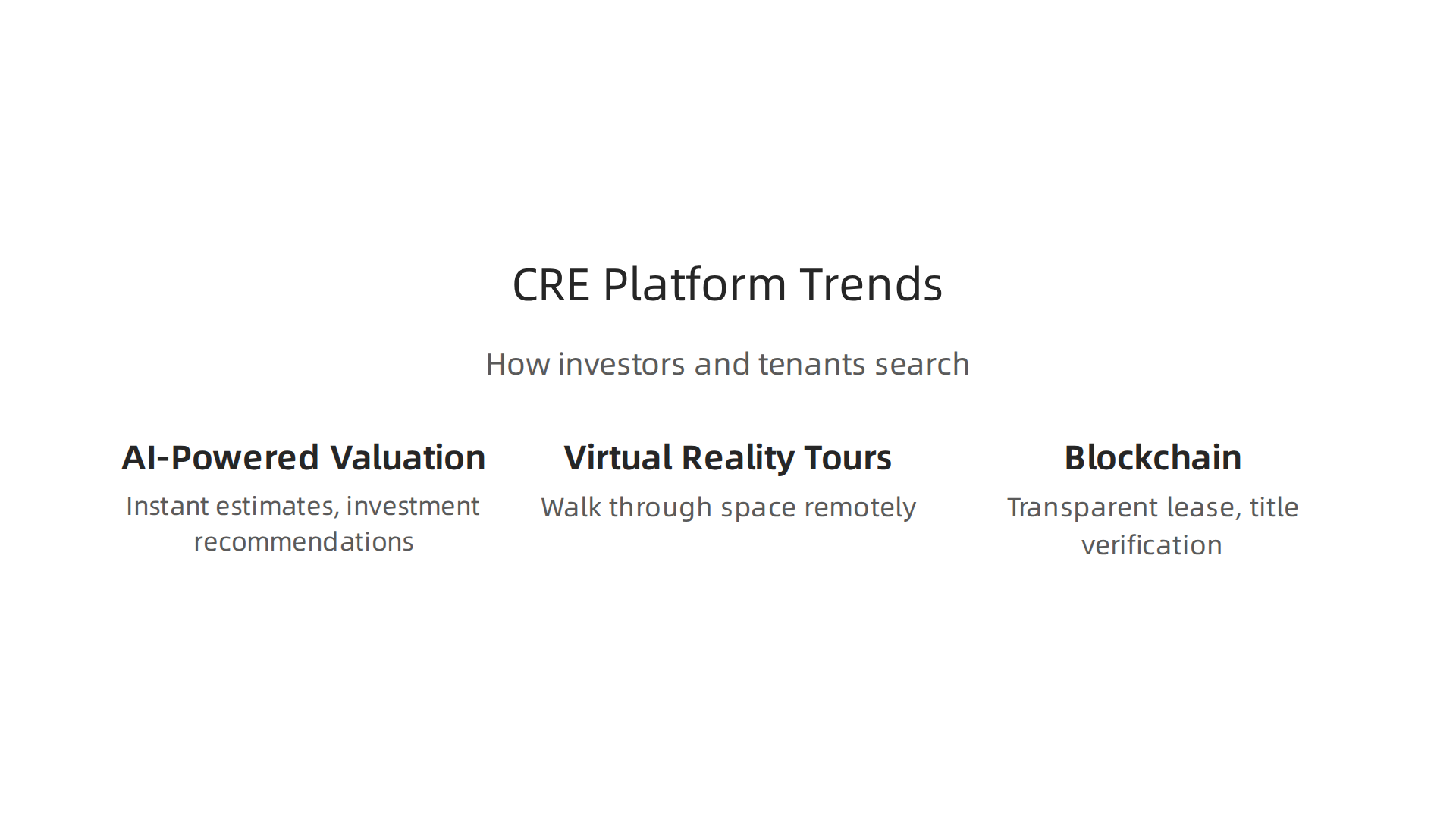
These trends are making property decisions faster, smarter, and more transparent.
AI-Powered Valuation Tools and Predictive Analytics
Artificial intelligence has moved far beyond simple chatbots. In 2026, AI powers underwriting copilots that pull comparable sales, zoning data, and financial records to build a first draft in minutes. Generative AI helps stress-test property performance across your whole portfolio in hours instead of days. According to a recent overview of PropTech in real estate 2026, these systems can now handle routine decisions like answering tenant questions or triggering maintenance tickets without a human in the loop.
For anyone looking for a "zillow of commercial real estate" experience, AI makes it possible to get instant property value estimates and investment recommendations. You no longer need to rely on guesswork or slow manual analysis.
Virtual Reality Tours and Digital Twin Technology
VR tours let you walk through a commercial space without ever leaving your desk. Digital twins go a step further, creating a full virtual replica of a building that simulates how it performs. Property managers test capital expense decisions in the digital twin before spending real money. By 2026, hyper-realistic VR experiences are blurring the line between visiting a property in person and viewing it online. This saves huge amounts of time for busy investors and tenants.
If you want to stay ahead of these tech shifts while looking for commercial property in Dubai, check out the 2026 Dubai commercial real estate market guide for a broader picture of local trends.
Blockchain for Transparent Lease Management and Title Verification
Blockchain is becoming the settlement layer for trustworthy real estate transactions. Smart contracts automate lease execution and cut cycle times from weeks to days. Tokenization lets you buy fractional ownership in a property using digital shares, opening up investment opportunities to more people. The tamper-proof ledger also makes property records more secure and audits simpler. As one report on AI, blockchain and beyond for 2026 explains, blockchain-driven efficiencies could cut real estate transaction costs by up to 30%.
Putting These Trends to Work
These three trends all make commercial real estate more accessible, transparent, and efficient. AI gives you faster valuations, VR shows you properties remotely, and blockchain protects the deal from fraud.
If you want to explore how these technologies can help with your next Dubai property search, reach out for a FREE Dubai Real Estate Consultation. An experienced agent can guide you through the new tools and find the right space for your business.
Understanding Commercial Leases and Contracts via Platform Tools
Finding the right commercial space is a big win. But the real work starts when you look at the lease paperwork. Dubai has specific rules that can trip up anyone who is not familiar with them. The good news is that many commercial real estate platforms now help you handle leases and contracts directly inside the tool.

Let’s look at how this works.
Simplified Lease Document Management
Platforms are turning complicated PDFs into something you can actually understand. Instead of digging through pages of fine print, you get a dashboard that highlights key terms like rent escalation, maintenance responsibilities, and termination clauses. Some tools even run automated compliance checks against Dubai regulations. That means the system flags a problem before you sign. This kind of help saves time and keeps you from making costly mistakes. You can focus on running your business instead of becoming a legal expert.
Integrating RERA and Ejari into Your Workflow
In Dubai, registering your lease with the Real Estate Regulatory Agency (RERA) and getting an Ejari certificate is mandatory. Platforms are now building these steps right into the property search and leasing flow. After you agree on a lease, the platform can prompt you to complete the Ejari registration online. It connects to the official system so you do not have to visit a government office. As noted in the 2026 update on Dubai 2026 key changes for real estate and business, the city is pushing for mandatory Ejari and Tawtheeq registration along with stricter enforcement of rent rules. Platforms that handle this paperwork for you make the whole process smoother and more transparent.
Reducing Legal Risks with Standard Templates
One of the biggest risks in commercial leasing is using a bad contract. Maybe you copy a template from a friend or write something yourself that misses important clauses. Platforms are solving this by including clause libraries and standardized templates that follow Dubai law. They cover things like security deposits, maintenance schedules, and notice periods. Before you sign, you can compare your lease against common standards. If you need extra protection, you can always hire a solicitor for your commercial property lease to review the final version. But starting with a solid template from the platform cuts down on surprises.
What This Means for You
Platforms are no longer just listing sites. They are becoming all-in-one tools that help you find a space, understand the lease, and stay compliant with local laws. The result is less stress, fewer legal headaches, and a faster path to moving into your new office or retail space.
Summary
This guide explains what people mean by a